Prompt2737 字符
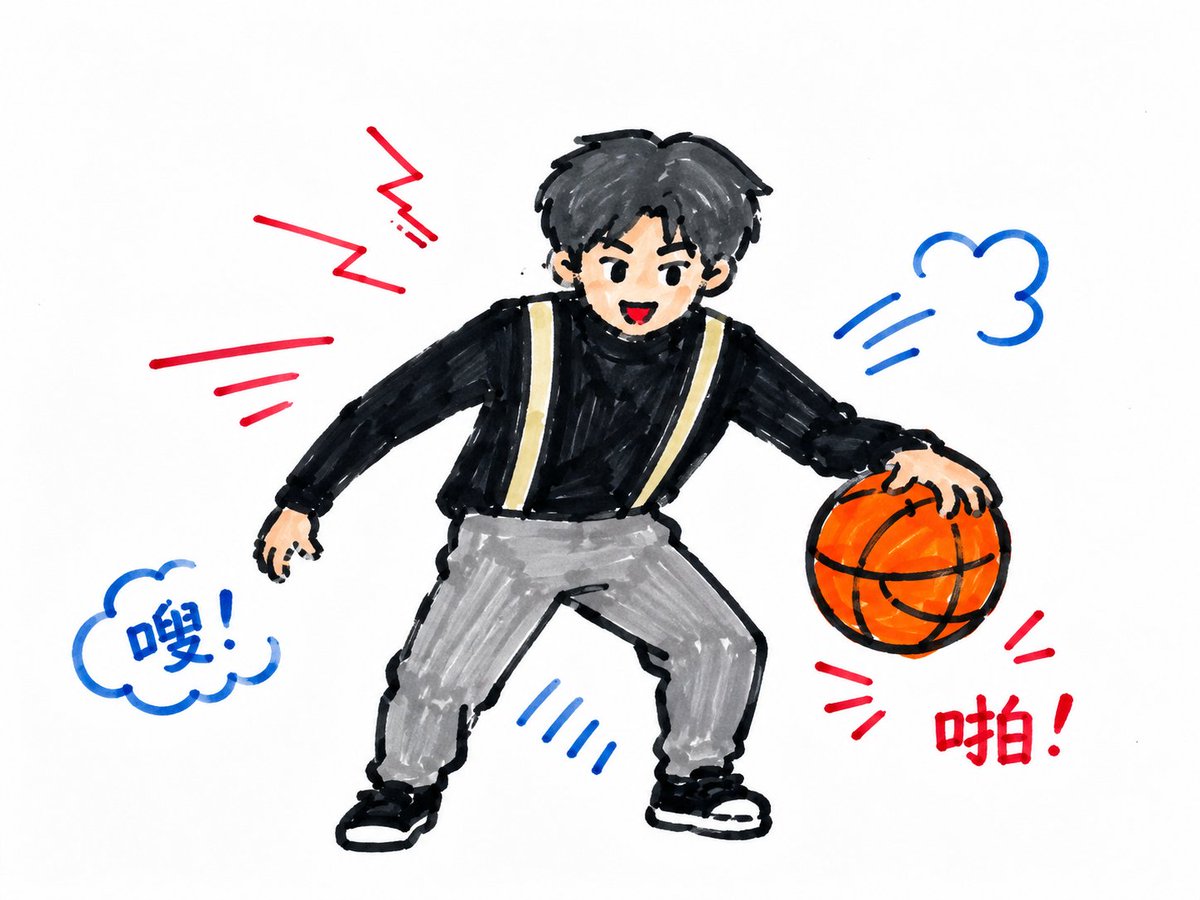
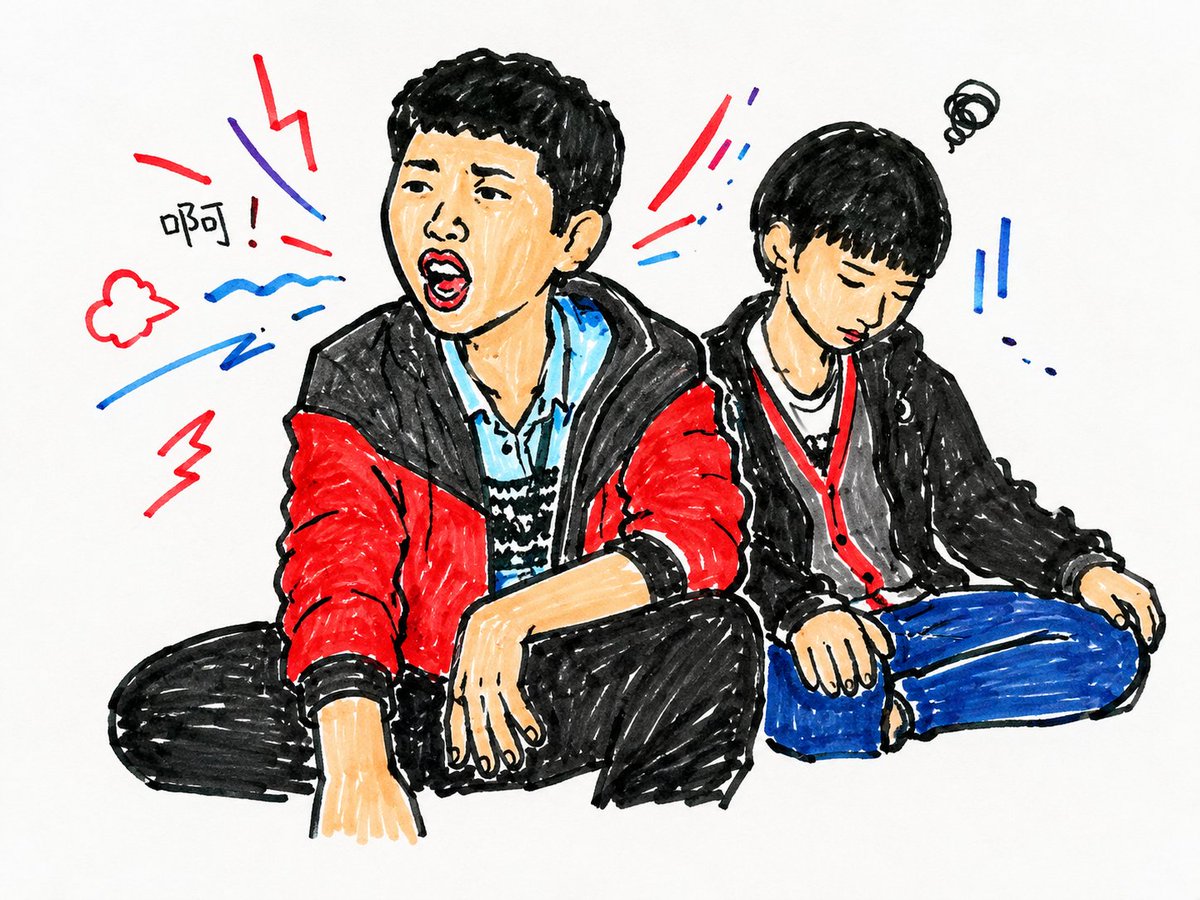
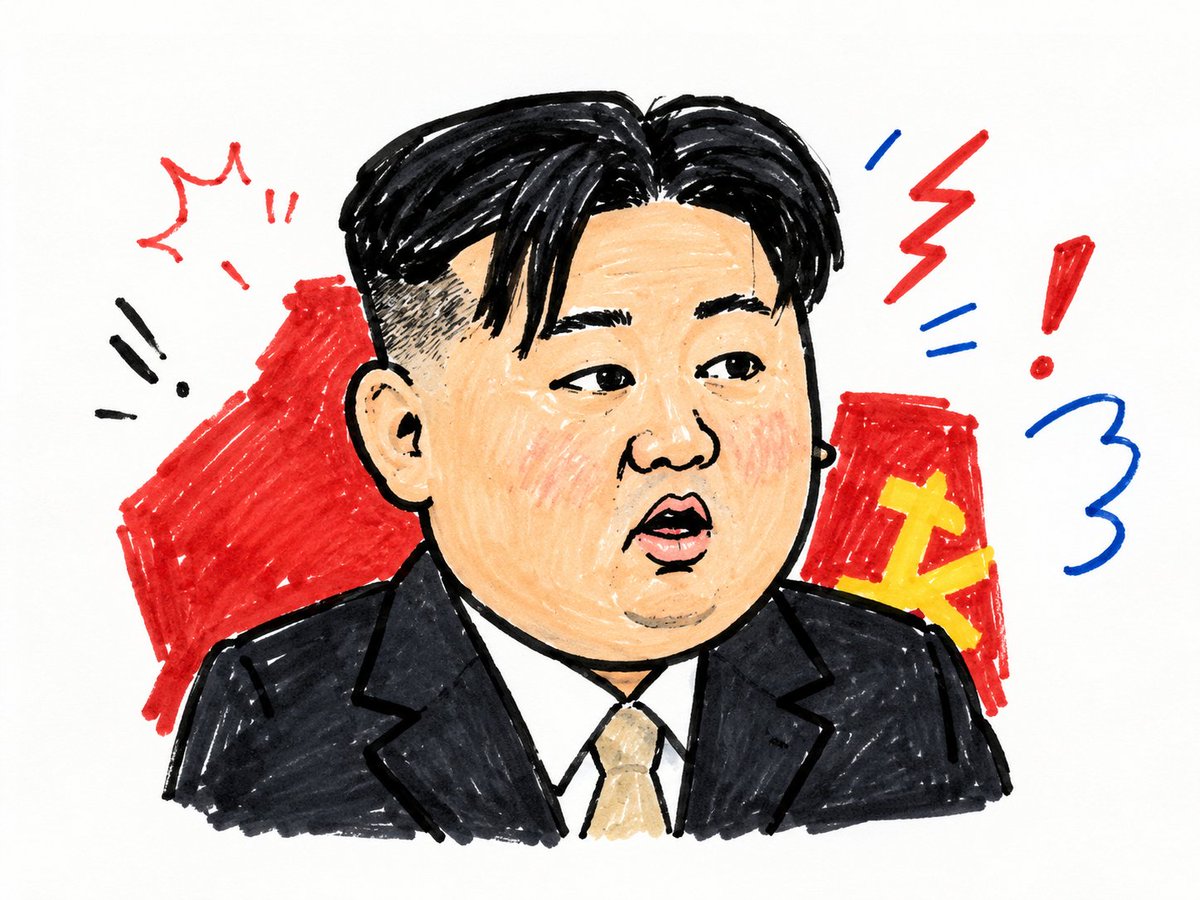
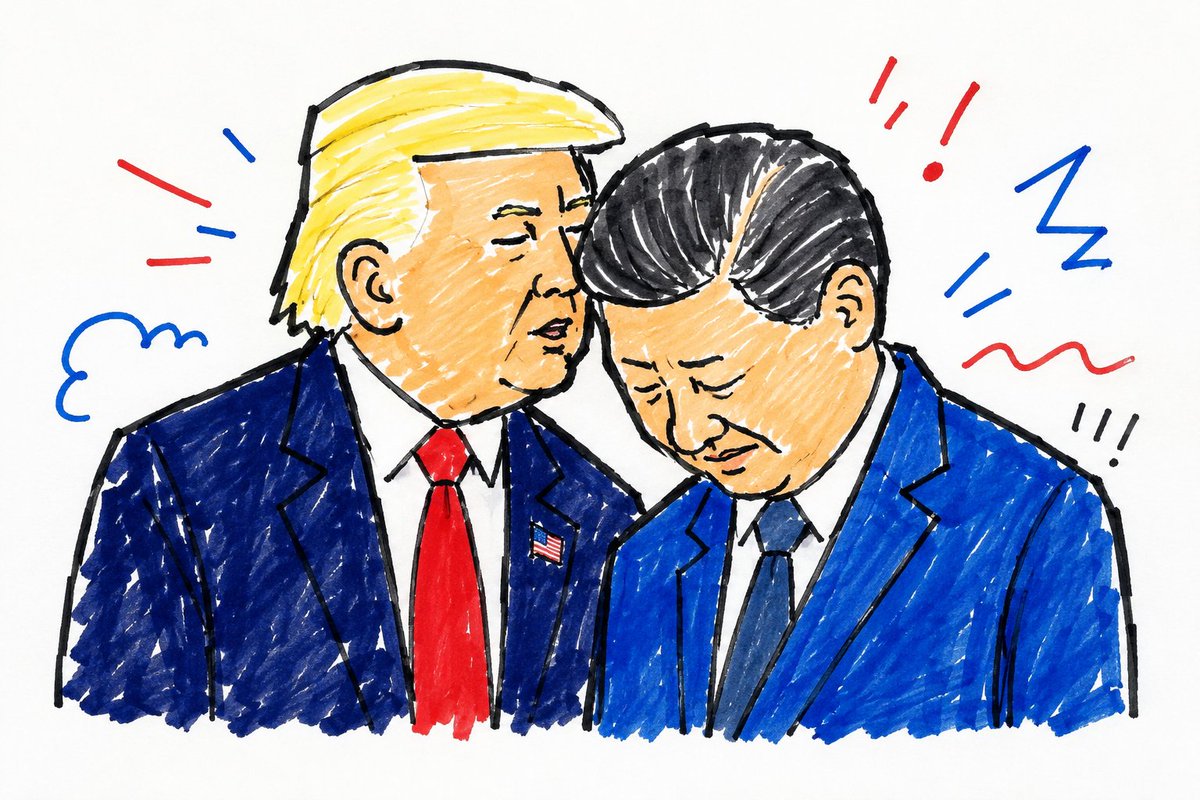
Centered on the specific subject content of the user-input image, redraw the subject as a child's marker hand-drawing on a horizontal sheet of white paper. First, extract the most recognizable outer contours, posture direction, local landmarks, functional components, and identity colors from the input content, compressing complex details into a few clear large shapes; the subject does not pursue realistic proportions or precise structures, but is established with thick black hand-drawn outer contours, loose internal structural lines, and naive but recognizable deformations. The main weight of the composition is placed in the center or lower-middle, with wide, clean white paper space reserved around it, making the subject look like a protagonist symbol carefully drawn on paper by a child. Use limited high-saturation marker color blocks: one strong primary color derived from the subject's identity bears the mass of the subject, one auxiliary strong color segments the structure and movement, and small areas of bright colors highlight the most important identification parts; black is responsible for holding down the contours, while the white paper serves simultaneously as the background, highlights, and negative space. All color blocks must have rough handmade traces, retaining short dry brush marks, unfilled gaps, slight overruns, colors overlapping lines, and line-color misalignments, avoiding realistic light and shadow, delicate gradients, or polished textures. The background remains a white paper action field without building a complete environment; only sparse red, blue, and black hand-drawn speed lines, wavy lines, lightning-style broken lines, cloud-shaped lines, short vertical lines, or exclamation marks are placed around the direction of movement, line of sight, and emotional pressure of the subject, letting the background carry air, sound, speed, and information cues. Complex textures, patterns, and small decorations from the input image are all transformed into short lines, blocks, negative space, and child-like memory symbols; key identity components must be drawn clearly, while non-essential parts remain brief, slanted, and not perfectly symmetrical. If text is needed, use only short handwritten onomatopoeia, exclamations, or edge annotations, with handwriting resembling action lines scribbled with a thick pen, without formal layout. The overall completion stops at a clear but unrefined stage, and the image should look like a child-like action drawing on real paper made with thick black markers and high-saturation colored pens, instantly recognizing the input subject while retaining the jitter, negative space, overdrawing, and naive inaccuracies brought by a child's hand control.
![一张[LOCATION]的建筑平面图,铺展开来](/cached-gh/jau123/tweets/2032193497898336334/0.jpg)